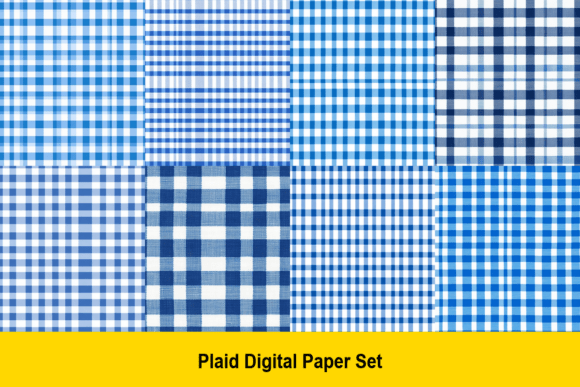
Classic Blue Gingham Plaid Papers for Crafting
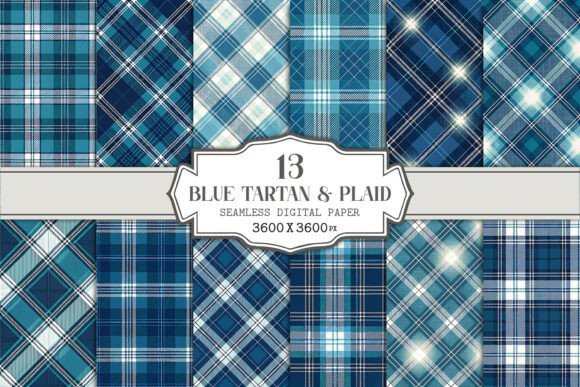
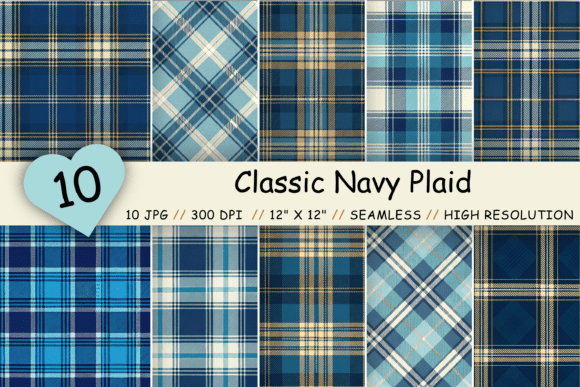
There is something undeniably comforting about a classic pattern. Among the endless sea of digital designs available today, Classic Blue Gingham Plaid Papers stand out as a timeless staple for creators who value versatility and clean aesthetics. Whether you are a seasoned scrapbooker, a small business owner creating custom packaging, or a teacher looking to spruce up classroom materials, this digital paper collection offers a reliable foundation for your projects. The appeal lies in its simplicity; the crisp intersecting lines of blue and white create a structured yet inviting backdrop that allows other design elements to shine without competing for attention.
At its core, this collection is designed to solve a common problem for digital crafters: finding high-quality backgrounds that look professional both on screen and in print. Many free or low-resolution images pixelate when enlarged or lose their clarity when printed on standard home printers. In contrast, these papers are provided as high-quality JPG files with a 300 DPI resolution. This technical specification is crucial because it ensures that every line of the plaid remains sharp, whether you are printing a tiny gift tag or a large wall art poster. The large canvas sizing included in the download gives you the freedom to crop, resize, and manipulate the images without sacrificing image integrity.
Why Choose Timeless Patterns for Modern Projects?
In a design world often dominated by trendy gradients and complex illustrations, returning to basics can be a strategic move. Classic Blue Gingham Plaid Papers offer a neutral yet colorful base that pairs exceptionally well with a wide variety of themes. The blue hue is generally calming and professional, making it suitable for baby showers, masculine-themed crafts, picnic parties, or even corporate stationery that needs a touch of personality.
The value of this collection extends beyond just the pattern itself. When you download these files, you are getting a coordinated set that likely includes variations in scale or texture. Some sheets may feature a tight, traditional check, while others might offer a looser, more painterly blend. This variety allows you to create depth in your layouts. For instance, in a junk journal, you might use a lighter gingham as a background layer and a darker, more textured version for a pocket or a focal point. This layering capability instantly upgrades your pages, giving them a curated, handmade feel that pre-made stickers alone cannot achieve.
Practical Applications for Creators and Entrepreneurs
The versatility of these digital papers means they fit seamlessly into numerous workflows. Here is how different users can leverage this resource:
- Paper Crafters and Junk Journal Makers: Use the files to print full-page backgrounds for your journals. You can tear the edges for a vintage look or cut them into precise squares for quilt-style collage pages. The 300 DPI resolution ensures that inkjet or laser printers reproduce the blue tones accurately.
- Stationery Designers: If you sell physical planners or notebooks, these patterns make excellent endpapers or divider pages. They provide a cohesive look throughout a product line without overwhelming the user.
- Sublimation Artists: Sublimation requires high-resolution images to prevent blurring on mugs, tumblers, and tote bags. These JPGs are ready for sublimation projects, allowing you to wrap a classic picnic vibe around drinkware or create stylish aprons for market sales.
- Educators and Parents: Teachers can use these backgrounds to create behavior charts, worksheet borders, or classroom decor that feels organized and cheerful. Parents might use them for homemade birthday invitations or party favor tags.
For small business owners, the licensing terms are particularly appealing. The collection typically allows for unlimited personal printing and permits small business use for physical end products. This means you can print the paper a thousand times to create inventory for your Etsy shop or local craft fair, provided you are selling the physical item made by you, not the digital file itself. This flexibility supports entrepreneurs who need to scale their production without worrying about recurring licensing fees for every single item sold.
How to Integrate These Papers into Your Workflow
Getting started with Classic Blue Gingham Plaid Papers is straightforward, regardless of your technical skill level. Once downloaded, you can open the JPG files in almost any software. If you prefer working digitally, platforms like Canva, Procreate, or Photoshop are ideal. You can import the paper as a background layer and then place photos, text, or clipart on top. The clean grid of the gingham actually helps with alignment, acting as a subtle guide for centering your elements.
If your goal is physical crafting, simply open the file in your preferred image viewer or word processor and send it to your printer. For best results, consider the type of paper stock you use. Cardstock works wonderfully for tags and die-cut shapes, providing enough rigidity to hold its form. Standard printer paper is sufficient for journal inserts or scrapbook layers that will be glued down flat. Because the files are large, you can also scale them down significantly to create miniature ephemera like tiny flags or confetti, adding intricate details to your larger compositions.
Important Considerations Before You Start
While these papers are designed to be user-friendly, there are a few practical things to keep in mind to ensure the best results. First, always check your printer settings. To maintain the 300 DPI quality, ensure your printer is set to "High Quality" or "Photo" mode rather than "Draft." This prevents the blue lines from appearing jagged or faded. Second, consider color calibration. Screens often display colors differently than printers; the blue on your monitor might appear slightly more vibrant than the printed result. It is always wise to print a test page on regular paper before committing to expensive cardstock or sublimation blanks.
Additionally, think about the context of your project. While gingham is versatile, it is a busy pattern. If you plan to overlay a lot of text or detailed photography, ensure there is enough contrast. You might need to add a semi-transparent white box behind your text to make it readable against the plaid. Alternatively, use the gingham strictly as a border or a background element where it frames the content rather than sitting directly underneath it.
Ultimately, investing in a solid collection like Classic Blue Gingham Plaid Papers is about building a reliable toolkit. It removes the stress of searching for the perfect background for every new idea. With its seamless textures, professional resolution, and broad commercial usability, this collection empowers you to focus on the creative process—cutting, pasting, designing, and selling—while knowing your foundation is strong. Whether you are making a single gift tag or producing hundreds of sublimated tumblers, these papers provide the classic charm and technical quality needed to bring your vision to life.